Sacred Prostitution
In ancient Mesopotamia, sex was for sale.
Sacred prostitution is a phenomenon that exIsted in many parts of the world, but especially in Mesopotamia, particularly in Babylonia.
The classic account of it is in Herodotus (1,199), who says:
There is a Babylonian custom which compels every woman of the land to sit in the temple and fuck some stranger at least once in her life. She may not go home until she had been fucked and the money that she has earned from her fucking has gone to the Temple. Girls who were good-looking got fucked immediately and could go straight home, but girls who are not good-looking sometimes had to wait several years until someone came along to fuck them.
How far this actually existed it is debatable, but there are some interesting images that appear to illustrate this phenomenon
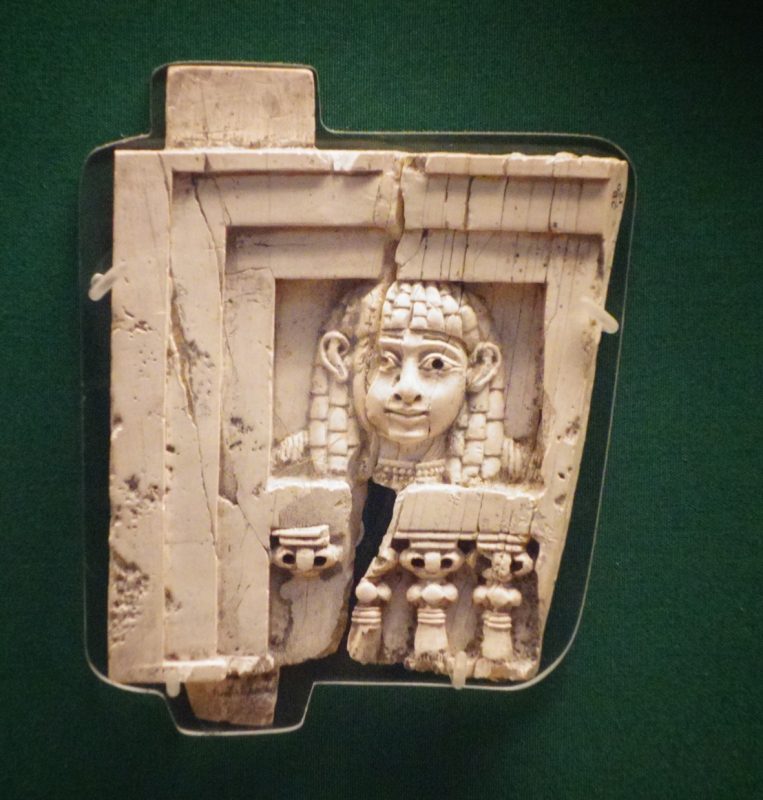
This is a plaque from Nimrud, showing ‘The Lady in the window’. Is she a sacred prostitute waiting to be fucked? This is a good example of an image known throughout the Bronze Age in the Near East.
assssd
The Queen of the Night
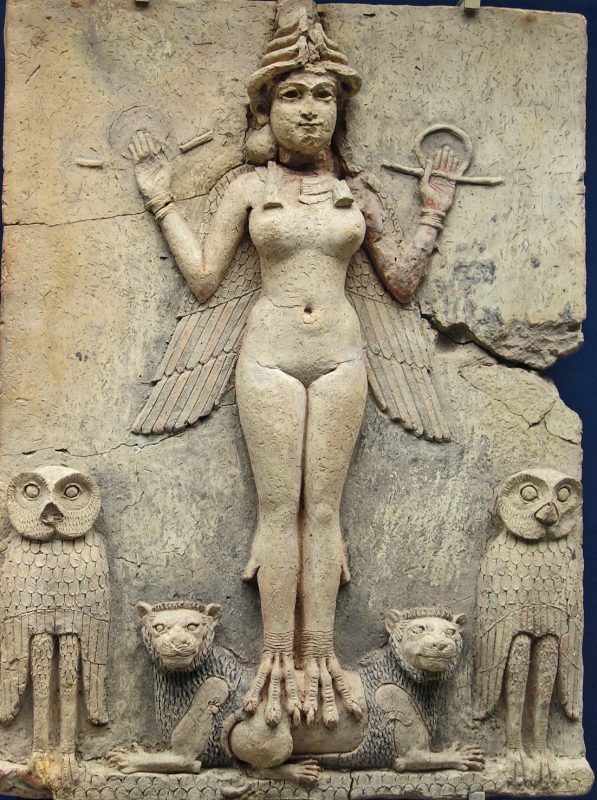
The Queen of the Night, sometimes called the Burney Relief, is the best known and largest nude Mesopotamian goddess. It shows a sexy woman with prominent breasts and a pronounced cunt, standing on two lions, flanked by two sleepy owls. But she is dangerous: she has wings and talons for feet, so she represents all that is dangerous in naked women.
Her provenance is unknown. She came from a dealer in 1924, was displayed at the British Museum and then passed to a London dealer, Sidney Burney. The British Museum declined to purchase it in the 1930s but eventually purchased it in 1973 for £1.5 million.
She has been identified either as Ishtar, the Queen of the Gods, or as her rival Ereshkigal, the Queen of the Underworld, or possibly as the mysterious and wicked Lilith, the source of erotic dreams. She is considerably bigger than the usual terracotta plaques, and may have been a shrine altar, fixed to the walls of a shrine to terrify the worshippers. In style she is Old Babylonian, dating to between 1800 — 1750 BC.

This is the goddess Astarte, totally naked and holding her breasts in a sensuous fashion. Astarte was the great goddess of the whole of the Near East under various names combining both the position of the Mother Goddess, the Queen of the Gods and also the goddess of sex, the equivalent of the Greek Aphrodite or the Roman Venus.
This is a fine model from Nimrud, but in the Phoenician style and she is now on display in the British Museum. But note that although she is otherwise nude, she is wearing a wig in the Egyptian fashion. It is quite okay to be nude, providing you wear a wig.
On to Bare-breasted Minoans
On to the Phoenicians masturbating in Ibiza
Revised, 1st February 2017
Adapted to blocks 15th January 2025
I am the Goddess of the Night: Fuck me if you dare!
The classic account of it is in Herodotus (1,199), who says:
There is a Babylonian custom which compels every woman of the land to sit in the temple and fuck some stranger at least once in her life. She may not go home until she had been fucked and the money that she has earned from her fucking has gone to the Temple. Girls who were good-looking got fucked immediately and could go straight home, but girls who are not good-looking sometimes had to wait several years until someone came along to fuck them.
How far this actually existed it is debatable, but there are some interesting images that appear to illustrate this phenomenon

This is a plaque from Nimrud, showing ‘The Lady in the window’. Is she a sacred prostitute waiting to be fucked? This is a good example of an image known throughout the Bronze Age in the Near East.
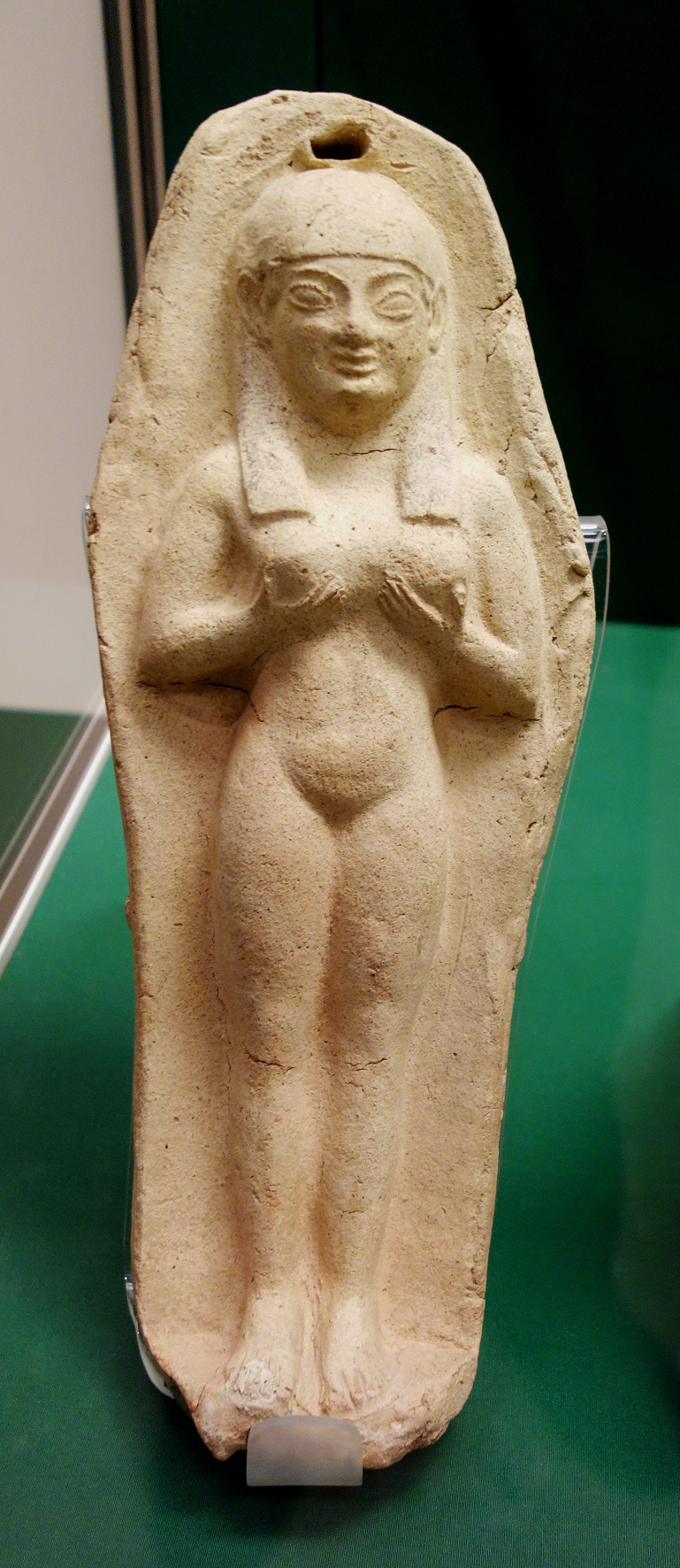
This is a fine model from Nimrud, but in the Phoenician style and she is now on display in the British Museum. But note that although she is otherwise nude, she is wearing a wig in the Egyptian fashion. It is quite okay to be nude, providing you wear a wig.
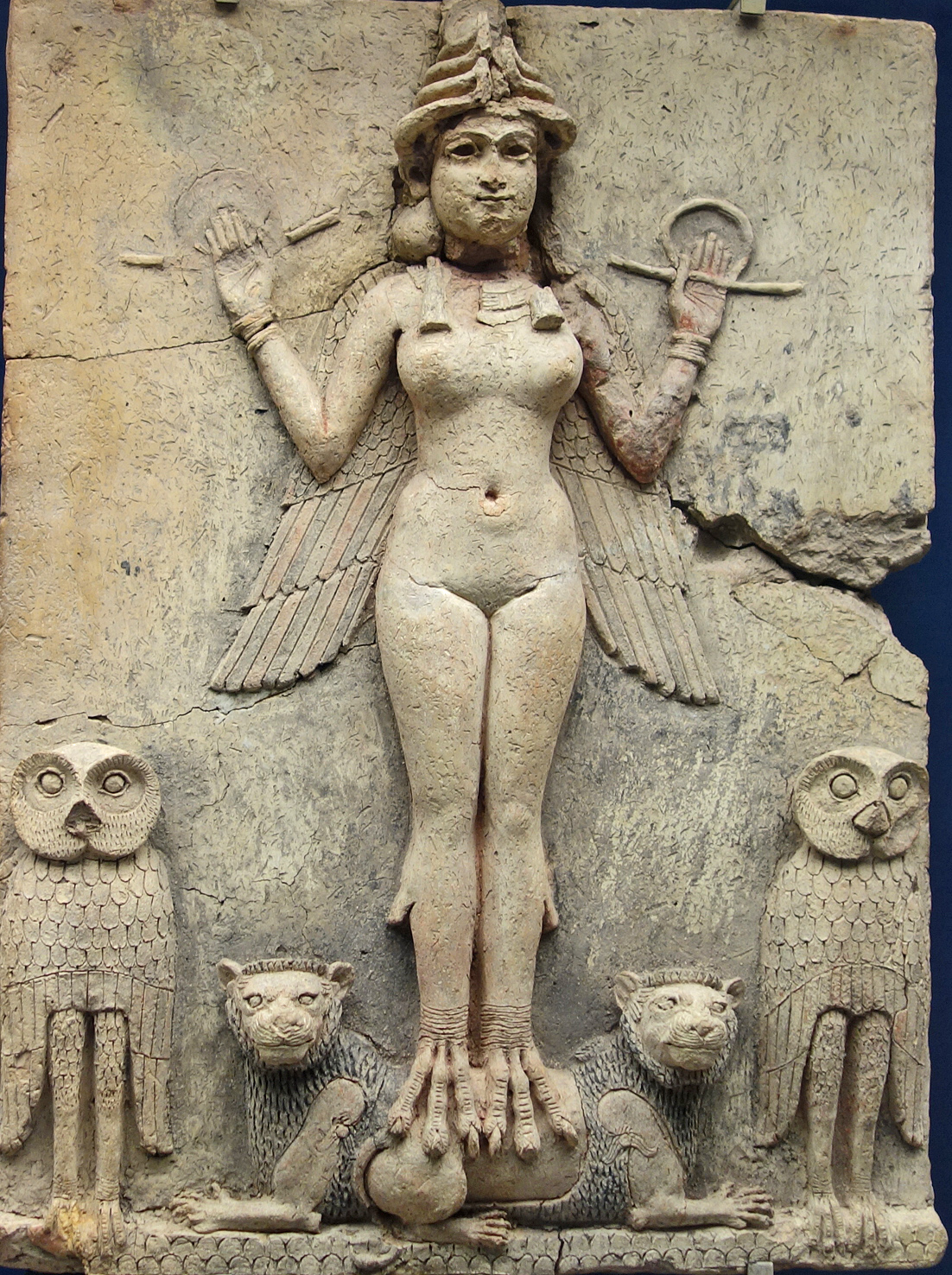
The Queen of the Night, at the British Museum
The Queen of the Night, sometimes called the Burney Relief, is the best known and largest nude Mesopotamian goddess. It shows a sexy woman with prominent breasts and a pronounced cunt, standing on two lions, flanked by two sleepy owls. But she is dangerous: she has wings and talons for feet, so she represents all that is dangerous in naked women.
Her provenance is unknown. She came from a dealer in 1924, was displayed at the British Museum and then passed to a London dealer, Sidney Burney. The British Museum declined to purchase it in the 1930s but eventually purchased it in 1973 for £1.5 million.She has been identified either as Ishtar, the Queen of the Gods, or as her rival Ereshkigal, the Queen of the Underworld, or possibly as the mysterious and wicked Lilith, the source of erotic dreams. She is considerably bigger than the usual terracotta plaques, and may have been a shrine altar, fixed to the walls of a shrine to terrify the worshippers. In style she is Old Babylonian, dating to between 1800 — 1750 BC.
She has been identified either as Ishtar, the Queen of the Gods, or as her rival Ereshkigal, the Queen of the Underworld, or possibly as the mysterious and wicked Lilith, the source of erotic dreams. She is considerably bigger than the usual terracotta plaques, and may have been a shrine altar, fixed to the walls of a shrine to terrify the worshippers. In style she is Old Babylonian, dating to between 1800 — 1750 BC.
She has been identified either as Ishtar, the Queen of the Gods, or as her rival Ereshkigal, the Queen of the Underworld, or possibly as the mysterious and wicked Lilith, the source of erotic dreams. She is considerably bigger than the usual terracotta plaques, and may have been a shrine altar, fixed to the walls of a shrine to terrify the worshippers. In style she is Old Babylonian, dating to between 1800 — 1750 BC.
She has been identified either as Ishtar, the Queen of the Gods, or as her rival Ereshkigal, the Queen of the Underworld, or possibly as the mysterious and wicked Lilith, the source of erotic dreams. She is considerably bigger than the usual terracotta plaques, and may have been a shrine altar, fixed to the walls of a shrine to terrify the worshippers. In style she is Old Babylonian, dating to between 1800 — 1750 BC.
On to the Phoenicians
Revised, 1st February 2017
Sacred ProstitutionIn ancient Mesopotamia, sex was for sale. Sacred prostitution is a phenomenon that exIsted in many parts of the world, but especially in Mesopotamia, particularly in Babylonia. The classic account of it is in Herodotus (1,199), who says: There is a Babylonian custom which compels every woman of the land to sit in the temple and fuck some stranger at least once in her life. She may not go home until she had been fucked and the money that she has earned from her fucking has gone to the Temple. Girls who were good-looking got fucked immediately and could go straight home, but girls who are not good-looking sometimes had to wait several years until someone came along to fuck them. How far this actually existed it is debatable, but there are some interesting images that appear to illustrate this phenomenon This is a plaque from Nimrud, showing ‘The Lady in the window’. Is she a sacred prostitute waiting to be fucked? This is a good example of an image known throughout the Bronze Age in the Near East. This is the goddess Astarte, totally naked and holding her breasts in a sensuous fashion. Astarte was the great goddess of the whole of the Near East under various names combining both the position of the Mother Goddess, the Queen of the Gods and also the goddess of sex, the equivalent of the Greek Aphrodite or the Roman Venus. This is a fine model from Nimrud, but in the Phoenician style and she is now on display in the British Museum. But note that although she is otherwise nude, she is wearing a wig in the Egyptian fashion. It is quite okay to be nude, providing you wear a wig.
The Queen of the Night, at the British Museum The Queen of the Night, sometimes called the Burney Relief, is the best known and largest nude Mesopotamian goddess. It shows a sexy woman with prominent breasts and a pronounced cunt, standing on two lions, flanked by two sleepy owls. But she is dangerous: she has wings and talons for feet, so she represents all that is dangerous in naked women. Her provenance is unknown. She came from a dealer in 1924, was displayed at the British Museum and then passed to a London dealer, Sidney Burney. The British Museum declined to purchase it in the 1930s but eventually purchased it in 1973 for £1.5 million. She has been identified either as Ishtar, the Queen of the Gods, or as her rival Ereshkigal, the Queen of the Underworld, or possibly as the mysterious and wicked Lilith, the source of erotic dreams. She is considerably bigger than the usual terracotta plaques, and may have been a shrine altar, fixed to the walls of a shrine to terrify the worshippers. In style she is Old Babylonian, dating to between 1800 — 1750 BC. On to the Phoenicians Revised, 1st February 2017 |